That Giant Diagonal Watermark? It Might Be the Most Expensive Free Advertising You're Giving Away
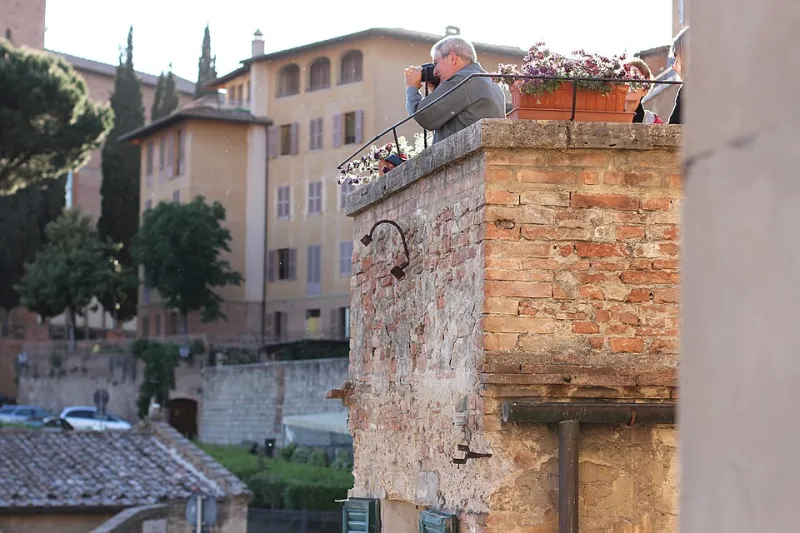
Photo: Thomas Duesing, CC BY 2.0, via Wikimedia Commons
A photographer friend of mine spent an entire evening slapping a 60%-opacity watermark across every image in her portfolio. Big font, diagonal, dead center — the works. Six months later, her inquiry inbox was quieter than when she started.
Her photos weren't getting stolen. They were getting ignored. And that's the part nobody wants to hear.
The Watermark Tax Nobody Talks About
Here's the uncomfortable math. A watermark does one thing well: it makes your image less useful to everyone, including the people you want using it. Art directors scouting for a wedding photographer in Austin don't squint through your logo to evaluate your work. They scroll to the next photographer whose images they can actually see.
The sharing problem compounds it. Every time your photo gets pinned, reposted, or dropped into a mood board, that watermark travels with it — but the person sharing rarely types out your URL. You've traded a clean, shareable image for a branded one that spreads slower and converts worse. That's not protection. That's friction.
And here's the kicker: a determined thief removes watermarks in about ninety seconds with any modern clone or inpainting tool. The people you're stopping are the ones who were never going to pay you anyway. The people you're losing are the ones who might have.
What Actually Works Better
If theft insurance is the goal, you've got quieter, more effective tools:
Reverse image search as your tripwire. Drop your best work into Google Lens or TinEye every month or two. If someone's using your image without a license, you'll find it — and a polite invoice (or a DMCA takedown, which takes five minutes to file) recovers real money. Detection beats prevention because prevention only deters the honest.
Metadata that works while you sleep. Embed your copyright notice, contact info, and licensing terms in the EXIF and IPTC fields. It's invisible to viewers, it survives most casual reposts, and it's the paper trail that makes a copyright claim in the US actually stick. Registration with the Copyright Office before an infringement claim? That's what turns a sternly worded email into statutory damages.
Small corner marks, not center stamps. If you must brand your work, a discreet signature in a corner does the job of attribution without nuking the viewing experience. Think of how agencies like Getty handle it — a slim bar, not a billboard.
So When Should You Watermark?
Not every image deserves the same treatment. Run yours through this quick filter:
- Client proofs and galleries? Yes, watermark. Unpaid galleries get shared, and a light mark keeps your name attached when Great Aunt Linda reposts your work to her church group. This is marketing, not protection.
- Final delivered files? No. Paying clients deserve clean images, and your contract is your protection there — not a stamp.
- Portfolio and website? Skip it. This is your storefront. You don't put bars on the windows of a shop you want people to walk into.
- Contest entries and social teasers? A small corner credit at most. Let the image breathe.
- Unlicensed event or sports work you're selling? Watermark the proof, deliver the clean file after purchase. This is the one scenario where watermarking is genuinely doing its job.
The Mindset Shift
Most photographers treat their images like cash — something to be locked up. But in a discovery-driven market, your images are more like business cards that occasionally get stolen. A stolen image with your name on it, found via reverse image search, is a licensing lead. An over-watermarked image that nobody shares is just a dead end.
Protect your work like a professional: with registration, metadata, and periodic searches. Present your work like a marketer: clean, fast, and easy to fall in love with. The photographers getting hired aren't the ones with the loudest watermarks. They're the ones whose photos are worth stealing in the first place — and easy to trace when someone does.